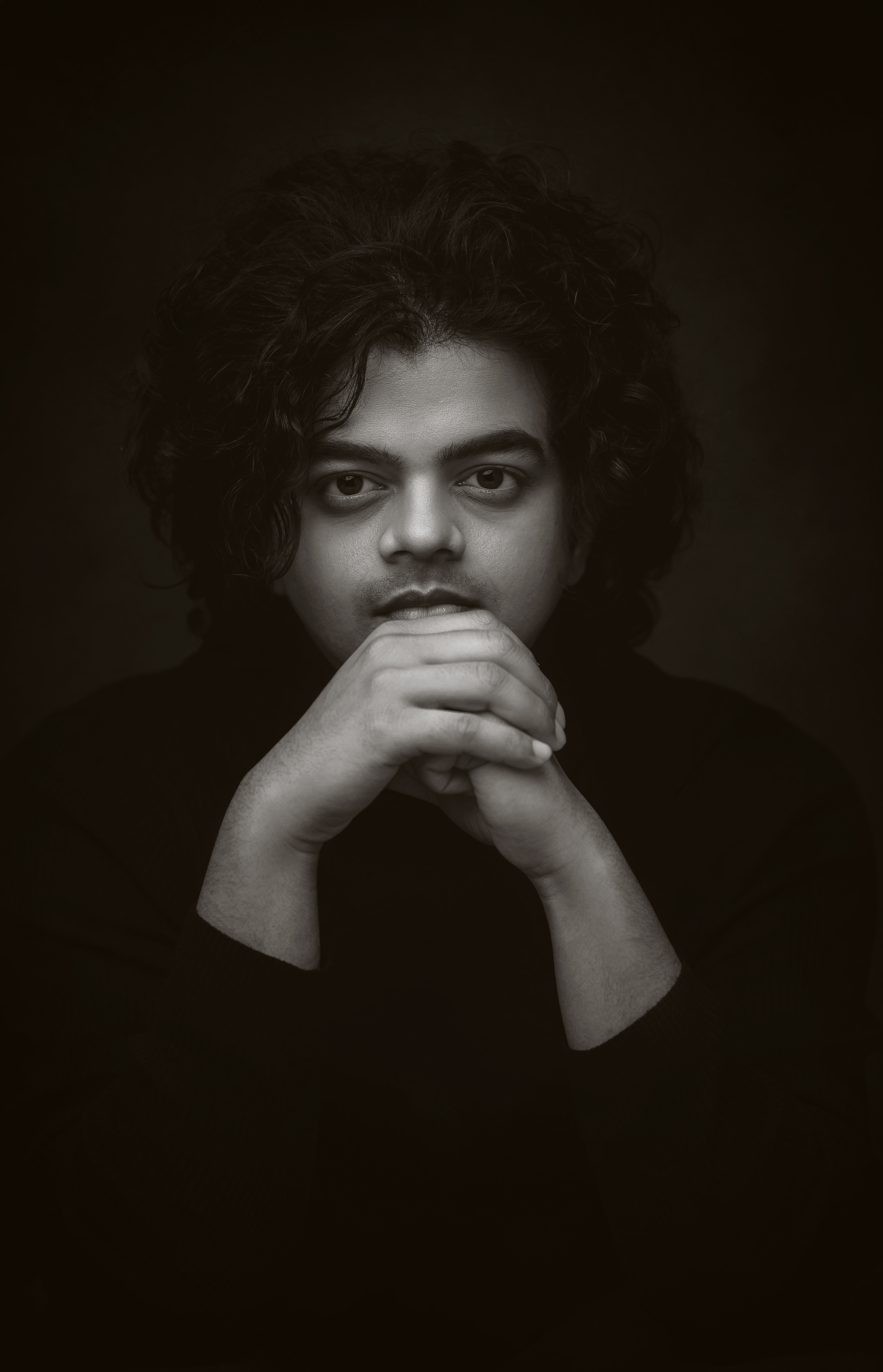
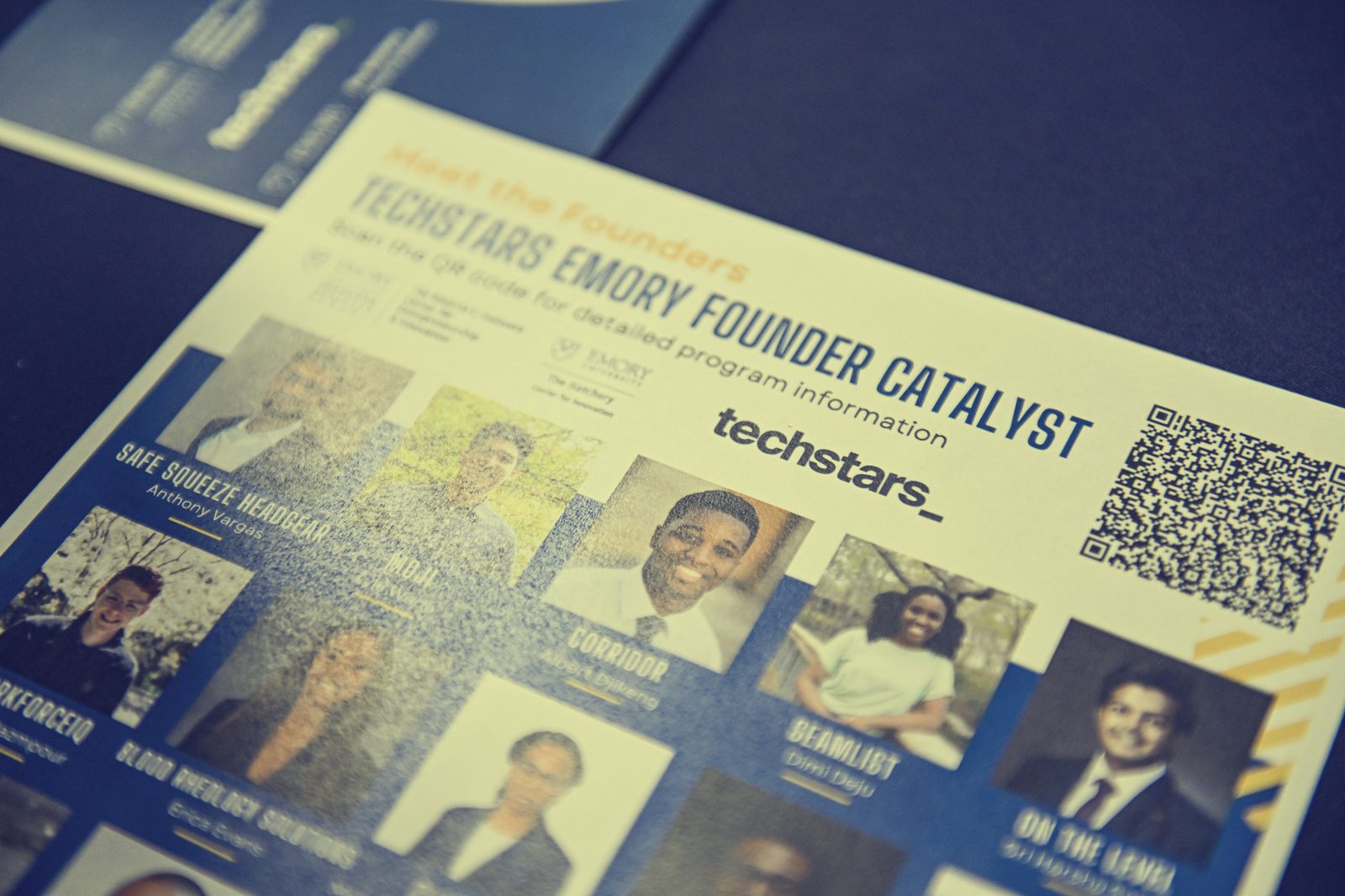
At the beginning of my master's degree at Emory University, the ideas I carried with me were like a small spark, unsure if they'd ever find a place to grow. But Atlanta quickly proved to be that place for me. From day one, I was welcomed and treated with kindness and warmth. As soon as I got here, I was accepted into the incubator program at The Hatchery, Emory's Center for Innovation. My time there flew by, especially because of the creative freedom to think boldly, explore problems, and learn from creative minds all around me.
As a first-generation international student, I wasn't used to my ideas being embraced so quickly. It felt strange for my ideas to be welcomed and accepted, and it shifted something in me — a positive feeling that encouraged me to make the best of the opportunities in front of me. Through interactions with fellow creatives, guest speakers and workshops, I learned a lot about myself and the expression of ideas.
It was this dynamic that drove me to apply for the Techstars Emory Founder Catalyst program for my startup, On the Level. Lacking a comprehensive understanding of the program, I found myself researching Techstars in a series of YouTube videos and Google searches. Eventually, I determined that it was a very competitive accelerator on par with Y Combinator. I was surprised to see people sharing their acceptance videos on YouTube, and this motivated me to take the leap forward and apply to the program.
Thankfully, here I am today, a graduate of this program filled with insight and enthusiasm to share what I've learned.
The Kick-off: Stepping Into the Unknown
With a lot of nervousness and curiosity, I walked into The Hatchery for the kick-off of Techstars Emory Founders Catalyst Program. Little did I know that the first session would be the beginning of a transformative journey — one that would reshape my mindset, test my limits, and redefine who I believed I could be.
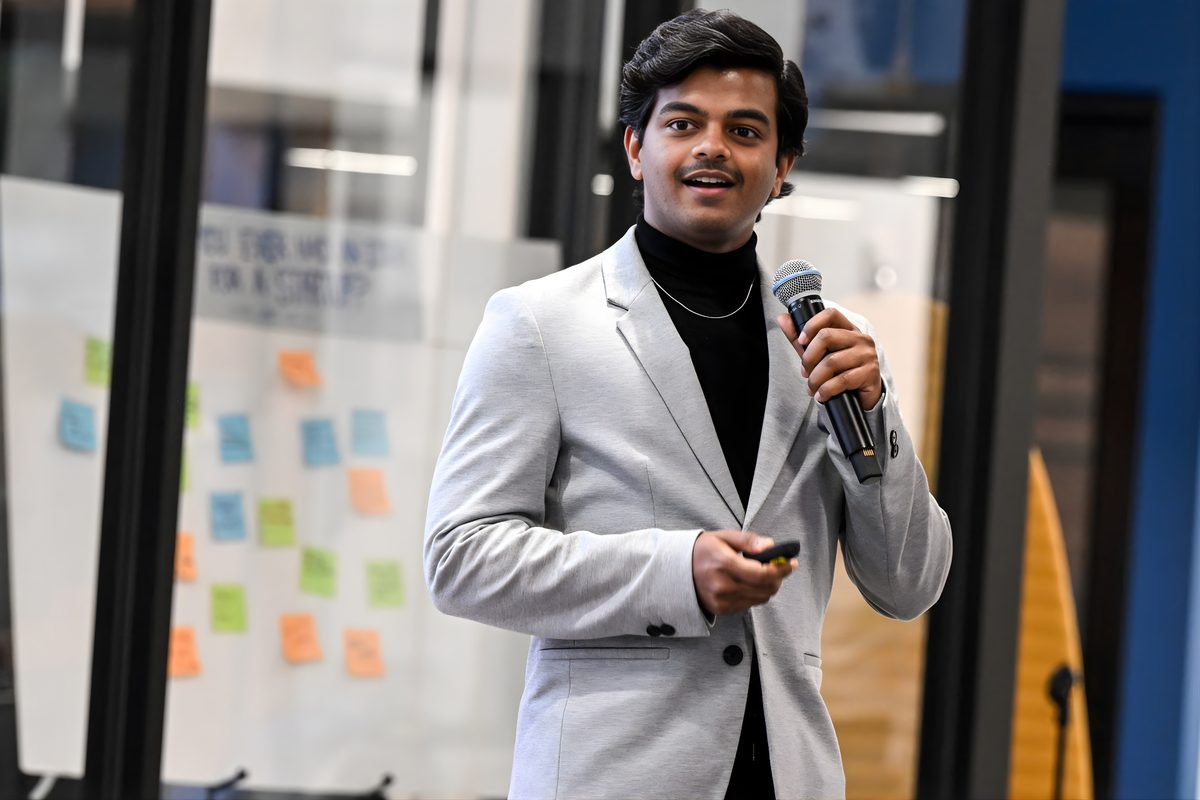
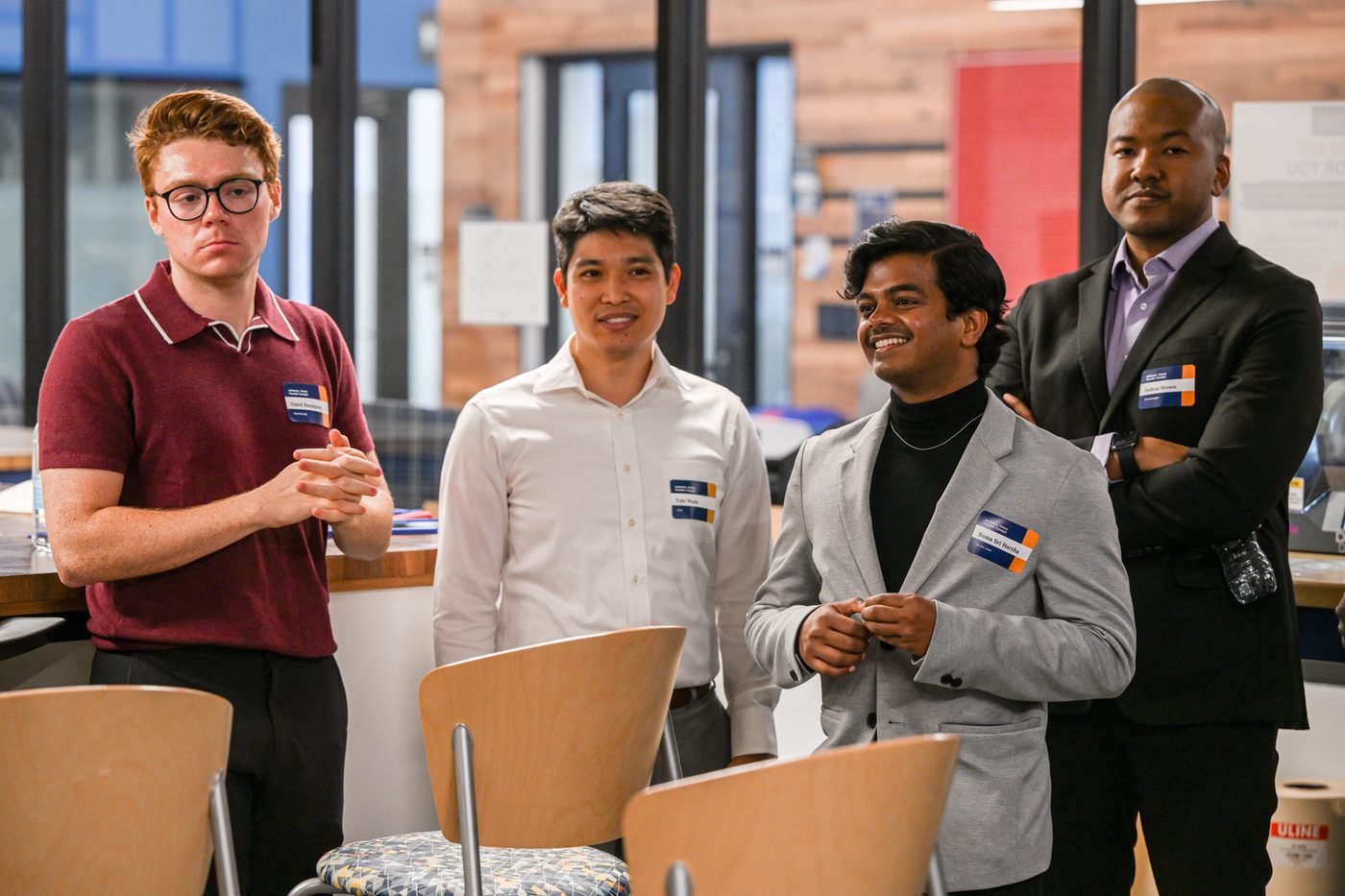
We were asked to deliver a one-minute impromptu pitch — something I wasn't used to. I rolled up my sleeves and did my best, despite my nervousness, and found that I wasn't alone. My friend Anthony was pitching his startup, SafeSqueeze Headgear. We shared the same nervous energy but found that shared vulnerability and mutual support were exactly what we needed to become a close-knit community.
Lessons From the Experts
The event began with Christy Brown, a dynamic leader, serial founder, venture capitalist, and the CEO of Dr. Noze Best. Often referred to as the godmother of the Techstars Emory Founders Catalyst Program, she set the tone by encouraging us to see ourselves as founders, not just students. Her powerful words still echo in my mind:
"Cash is king. Revenue is queen."— Christy Brown
"Communicate, think, and act like a CEO."
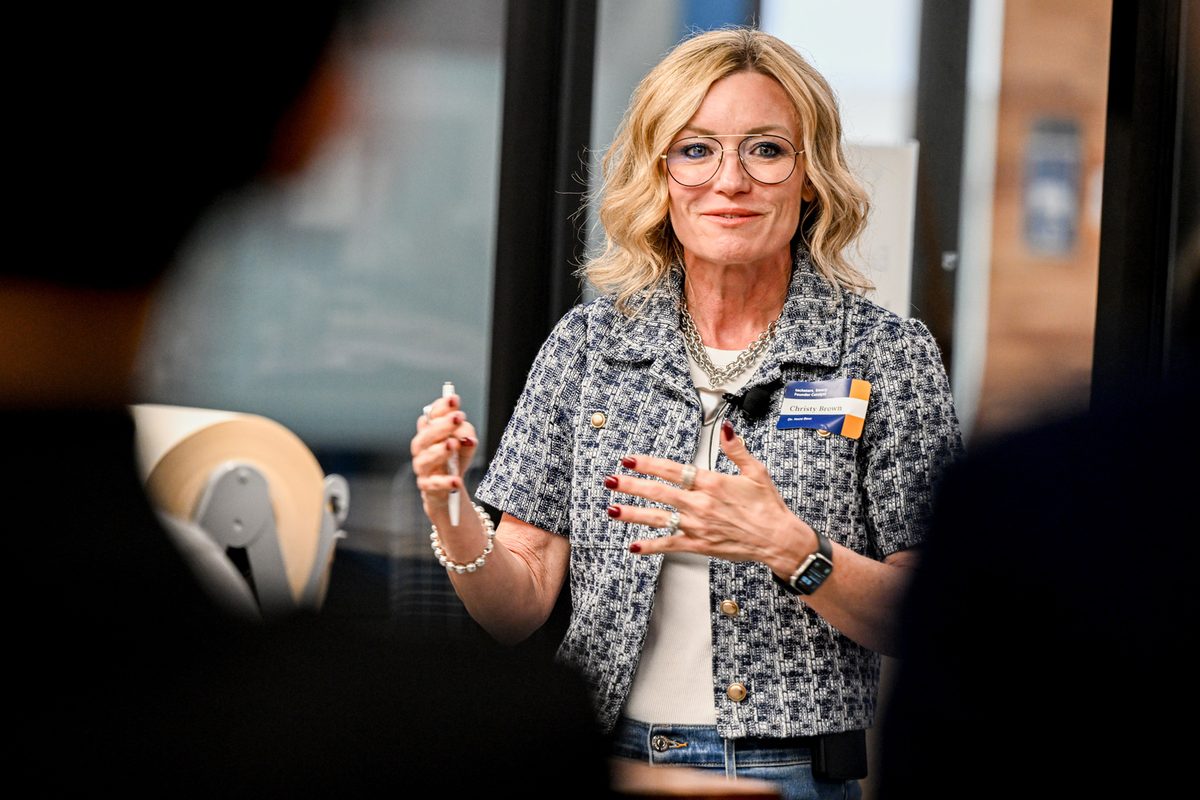
We were encouraged to explore boldly, tell our stories, and always have something impactful to say. She often repeated this quote by Steve Jobs as a guiding principle to remember throughout the program:
"Innovation distinguishes between a leader and a follower."— Steve Jobs
A part of the 10-week journey was a series of sessions from a lineup of powerhouse mentors that helped me develop a new perspective about entrepreneurship. JC Cadet's session on storytelling gave me a new skill in pitching. She said to pitch like we are sharing a story with a friend to make it casual, yet impactful. Melissa Heffner emphasized that "We don't pick winners — customers do." Her scientific approach to question, research, hypothesize, test, analyse, and share — helped me lead customer interviews during customer discovery.
"We Pick Winners; Customers Pick Winners.— Seth Radman
Cut your scope. Build fast. Don't fall in love with your MVP — keep improving."
These are the words of Seth Radman, a serial founder with invaluable advice on rapid prototyping. His advice was to move from idea to MVP in weeks, not months. In the same way, Jeff John shifted my perspective on fundraising and helped me see personal growth and narrative-building as an important part of startup financials.
"Investors invest in founders — not just the ideas."— Jeff John
While developing my ideas, Anastasia Simon's advice helped guide me toward better decision-making. Her experience working in a similar startup to mine and the lessons she learned about failing helped me evaluate the sustainability of my idea and made me think about the need to pivot when things don't work out. Her advice was the "Yellow Brick Road" I really needed.
Another session that was focused on Founders' mental health resonated with me. Building CEO confidence in moments of burnout was timely, especially for someone like me, coming from a non-business, medical background.
"Leadership is about balancing polarity — between speed and quality."
Another concept I've learned was the "Five Levels Deep" method. It involved the process of asking "Why?". I had to force myself to assess core motivations for both my customers and me. Am I solving a real problem or chasing an idea I liked? Overall, I was forced to ask uncomfortable questions that helped me see a clearer path moving forward, adjusting my strategy, and evolving as a founder.
Despite my initial social anxiety and culture shock, the one-on-one sessions, roundtables, and office hours changed my perspective and became crucial networking experiences. One particular moment stands out with Christy Brown, who consistently offered support. I missed a scheduled office hour because of exhaustion and burnout. When I apologized, she responded:
"You are a Founder. Founders don't apologize."— Christy Brown
Her response was more than forgiveness; it was a mindset shift. That was the moment I truly started seeing myself as a founder. This transformation helped me go from feeling full of doubt to becoming a confident, purpose-driven entrepreneur.
From Panic to Progress: Prototyping and Pitching
Inspired by Seth's MVP hacks, I began trying rapid prototyping with 3D by design, and was able to ace the skill quickly.
With the help of The Hatchery, I printed a minimal version of the prototype — a quick move from concept to physical product. It was mentally and emotionally challenging but deeply rewarding. The initiative to start designing and creating something I was least familiar with was only possible because of a mindset shift toward problem-solving by breaking down barriers to find solutions.
Pitch practice sessions also put me through similar challenges. I jokingly called it "pitch tachycardia" because my heart rate would spike every time I pitched. But the transformation was undeniable: first pitch heart rate — 120 bpm; last pitch heart rate — 60 bpm, which was possible only through conditioning at various levels. This happened not just because of practice but also because of the art of owning the story that I was sharing and embracing my authentic self.
The Role of Community Throughout the Journey
One of the most heartwarming parts of the program was the community I formed with 19 other founders.
Throughout the program, we supported each other and became each other's cheerleaders. Anthony, Erica, and especially Tyki were my friends, mentors, and emotional anchors. Their support helped me reach the end of the journey, culminating in the Founders Showcase — the final pitch in front of investors, guests, and the broader Emory community. It was a nerve-wracking moment, which was exactly what I needed to grow. I pitched no longer as a student, but as a true founder.
Final Reflections: My Journey from Student to Founder
To say this program was life-changing is an understatement. I have come a long way as a first-generation international student from a non-business background.
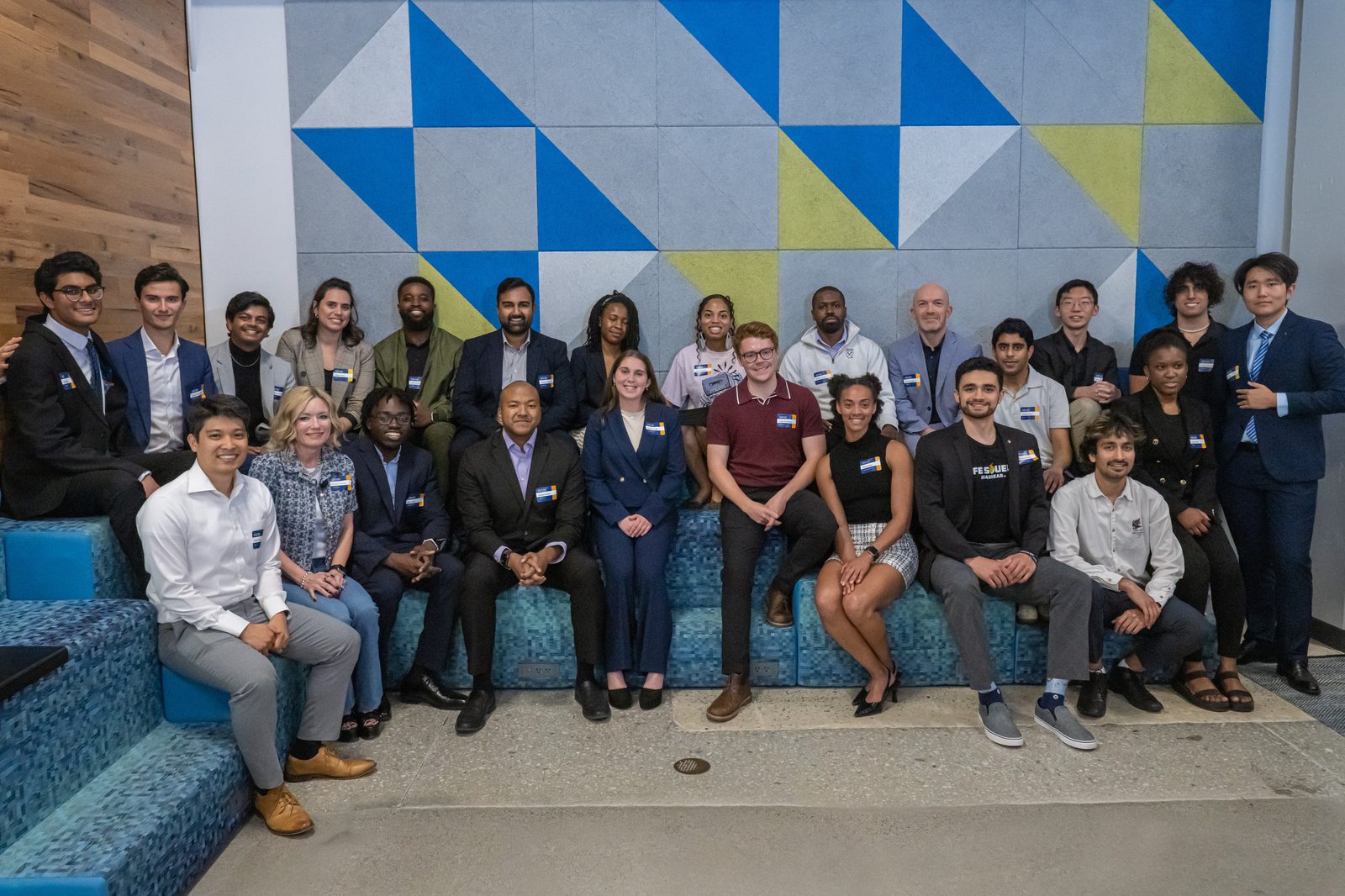
This program taught me more than how to build a startup — it transformed my identity and gave me clarity. I learned to think like a founder, speak like a CEO, build quickly and learn fast, embrace failure, adapt, tell powerful stories, and stay grounded — all powerful tools for my journey ahead. Above all, it gave me a support system with 19 other dreamers who want to change the world, one problem at a time. This wasn't just a program. It was the Catalyst that turned my quiet Spark into an undeniable flame. The spark that set me on a path I never imagined for myself.
Curious to see what I'm up to next? Connect with me on LinkedIn, or explore more reflections on the blog.